Consistent Mastery

The Gastronomy Green Tea
— Fail-Proof Green Tea

In the fast-paced kitchens and bars of New York, everyone wants to save time.
And yet, every chef and bartender also wants to serve a glass that feels truly special.

But here lies the dilemma—
But when you try to work with green tea—
Even with the finest first-flush leaves, brewing requires delicate conditions
and is difficult to handle consistently.
Bottled green tea is convenient, yet due to sterilization processes,
it loses both complexity and freshness.

What if, by simply steeping in cold or room-temperature water,
without extra time or effort, even the same finest leaves could be handled
with ease through KYOKU’s technology—
allowing anyone to always create the same perfect glass?
What if that glass of green tea could stand alongside wine and stock,
as a true foundation of gastronomy?

KYOKU makes this “what if” real.
With our patented method—designing the flavor of the brewed liquid first,
then roasting and blending the green tea leaves to match—
we deliver fail-proof consistency and crafted complexity to
the world’s top kitchens and bars.

Our Science

Only KYOKU: Cold or Room-Temperature Brewing,
Always at Its Peak

This chart explains why KYOKU focuses on cold and room-temperature brewing.
When brewed at 80–90°C(degrees Celsius) , caffeine is extracted too quickly,
and its bitterness overshadows theanine’s umami.
In contrast, at 20 minutes in cold or room-temperature water, theanine reaches its maximum,
while caffeine remains restrained—delivering the most harmonious flavor balance.
KYOKU takes this scientific fact as the starting point, designing the flavor of the liquid first,
then roasting and blending to match.

This ensures that chefs and bartenders can always reproduce the peak of flavor,
treating Japanese green tea as reliably as wine or stock in gastronomy.

How to
Experience KYOKU

Just Water and Time:
20 Minutes to Flavor’s Peak
— A dimension hot water
could never reach.
  • Place the leaves in a lidded
    carafe and add
    room-temperature or cold water.
  • Wait about 20 minutes for
    the peak balance of flavor to emerge.
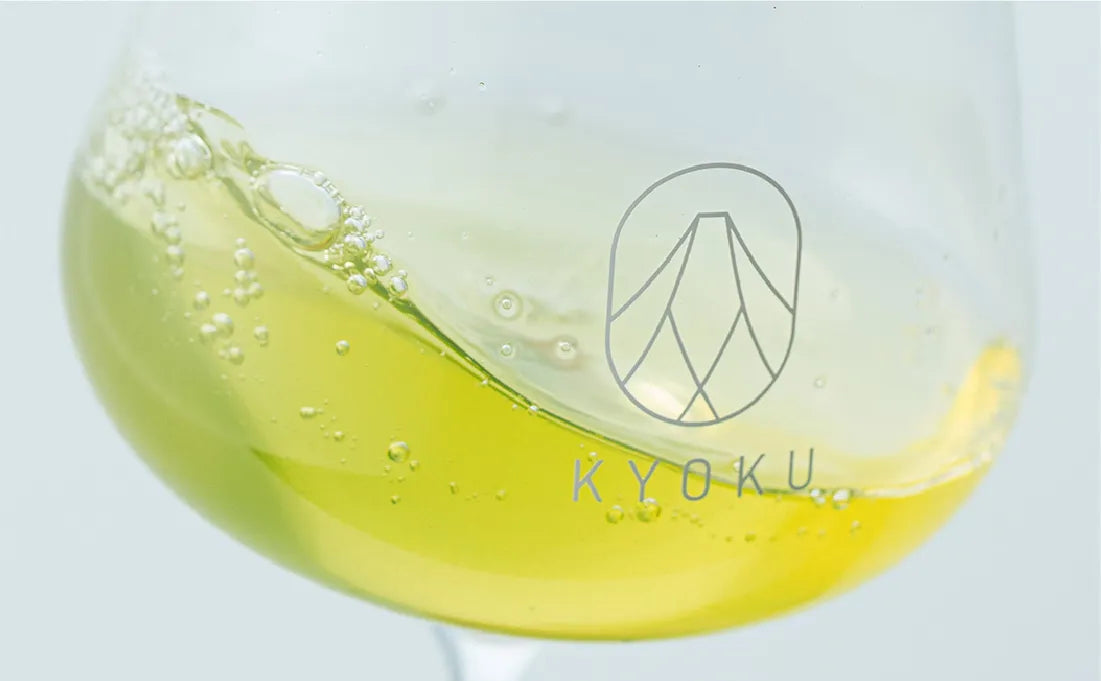
  • Pour into a wine glass and
    enjoy its layered aromas and
    lingering finish.

Brewing with cold or room-temperature water draws out more umami-rich theanine
while suppressing the bitterness of caffeine, creating the best balance of flavor.
With KYOKU’s international patent-pending method, this balance is elevated to
an entirely new dimension of excellence.

*For a bolder flavor, gently shake the glass a few times during extraction.

The KYOKU Portfolio

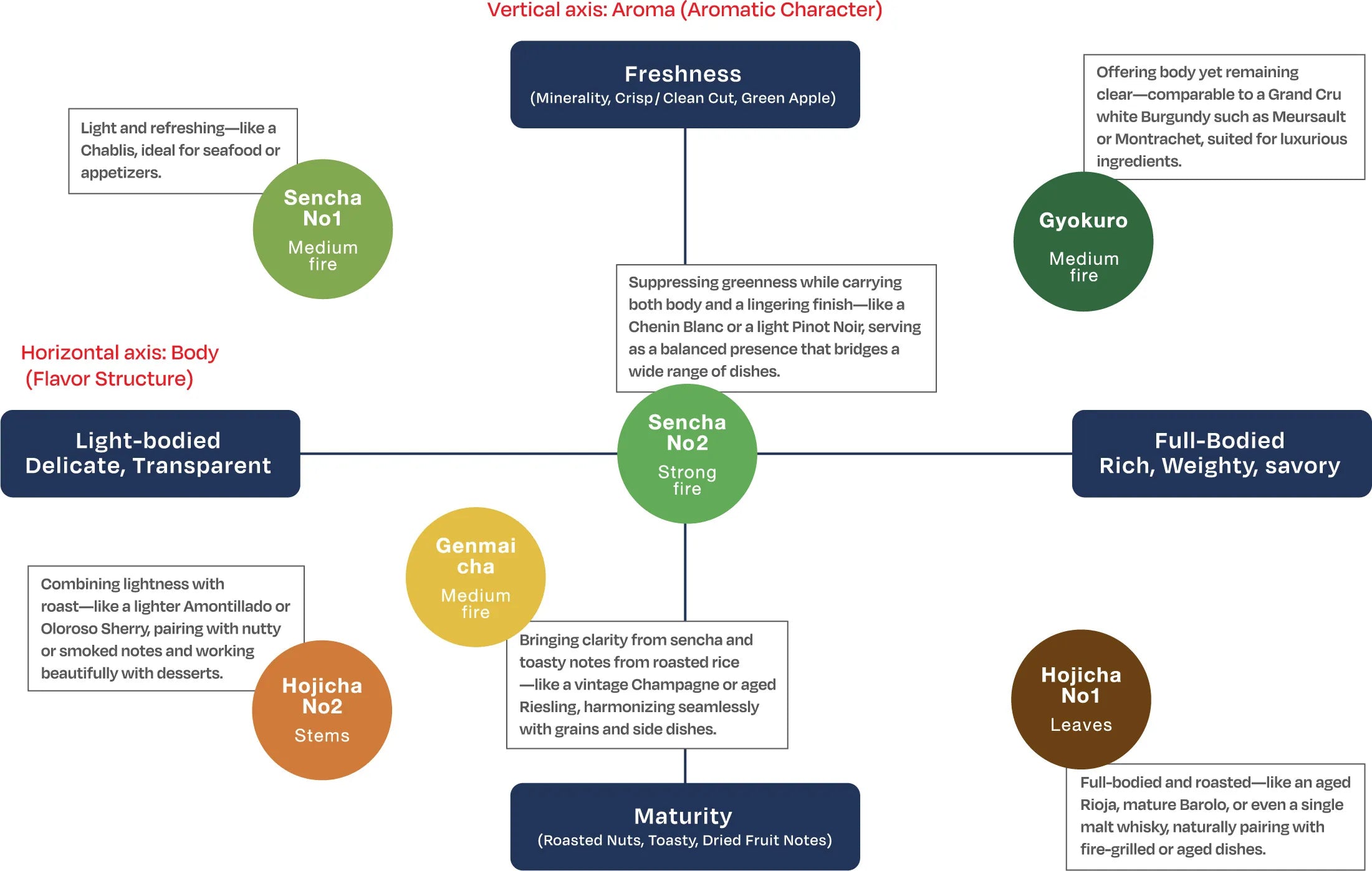
This map shows the KYOKU
portfolio positioned by flavor profile.
The vertical axis runs from
refreshing clarity to matured depth,
while the horizontal axis runs from
light transparency to full-bodied richness.

Use this as a guide
to explore food pairings with KYOKU.
Details of
Each Product
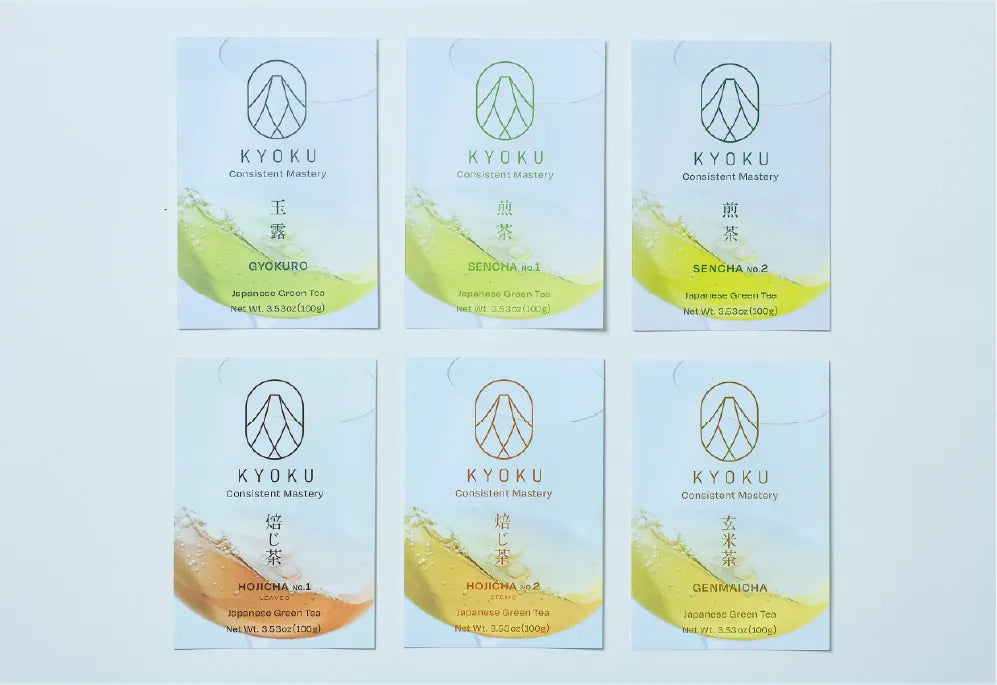
All products are crafted through
a precision-designed roast profile
that begins not with the leaf,
but with the flavor of the brewed liquid
we aim to achieve.
Gyokuro
Traditionally, gyokuro has been known for its dense umami and heavy mouthfeel, often perceived as difficult to drink. KYOKU re-engineered it into an infusion with concentrated umami × refined roasted aroma × a crisp, clear finish. Leaves roasted at 120°C form the base, contributing gyokuro’s hallmark deep umami, mellow sweetness, and silky texture. Stems roasted at 150°C add definition, length, and a light toasty nuance—the key to transparent umami.
100g
10g
5,000ml
33 wine glasses
Sencha No.1
Aiming for an infusion with freshness and a clear finish within its green vibrancy. Large leaves provide structure, medium leaves support balance, and small leaves add delicacy and a lingering finish. Organic medium-steamed sencha from Shizuoka is roasted at subtly different intensities—120°C, 100°C, and 80°C—depending on leaf size. By blending these in precise proportions,

it achieves a multi-layered harmony of aroma and flavor unattainable by any single roast.
100g
10g
5,000ml
33 wine glasses
Sencha No.2
Designed to suppress greenness and highlight a long finish with rich umami depth.
Large leaves provide structure, medium leaves support balance, and small leaves add delicacy and persistence.
Organic medium-steamed sencha from Shizuoka is roasted at finely adjusted intensities—150°C, 120°C, and 100°C—according to leaf size. Blended in precise ratios,

it creates a complex yet balanced expression that cannot be achieved by a single roast.
100g
10g
5,000ml
33 wine glasses
Hojicha No.1
Created to express the toasty yet subtly floral profile unique to roasted organic sencha. The base leaves, roasted at 180°C, bring softness and roundness,

while leaves roasted at 200°C emphasize a whisky-like aromatic contour and finish. The combination delivers both a bold roasted lift and a clean, refined aftertaste—something no single roast could achieve alone.
100g
10g
5,000ml
33 wine glasses
Hojicha No.2
Crafted to highlight the nutty roast character unique to roasted stem tea. Carefully selected kukicha (stems) from across Japan are roasted at 180°C for the base,

contributing softness and roundness. Accent stems roasted at 200°C add a light, sweet toastiness. Blended at optimal proportions, the result is a clear yet flavorful expression of roasted aroma.
100g
10g
5,000ml
33 wine glasses
Genmaicha
Designed to unite the freshness and clarity of sencha with the layered roasted depth of rice. Sencha No.1, with its organic sweetness and umami, is combined with organic roasted rice

finished at 200°C for 15 minutes in hot-air roasting, imparting a toasty aroma. Blended in our original proportions, it achieves a clear finish while retaining complexity.
100g
10g
5,000ml
33 wine glasses

A Gastronomic Foundation

Each glass can be savored
like wine in non-alcoholic pairings,
or serve as a refined base
for cocktails.
Because with cold or
ambient water and time alone,
its finest flavor and aroma are revealed and sustained.
Non-Alcoholic Pairing:
An alternative to wine,
harmonizing with fine cuisine.
Cocktail Ingredient:
A building block for
both alcoholic and non-alcoholic
creations.
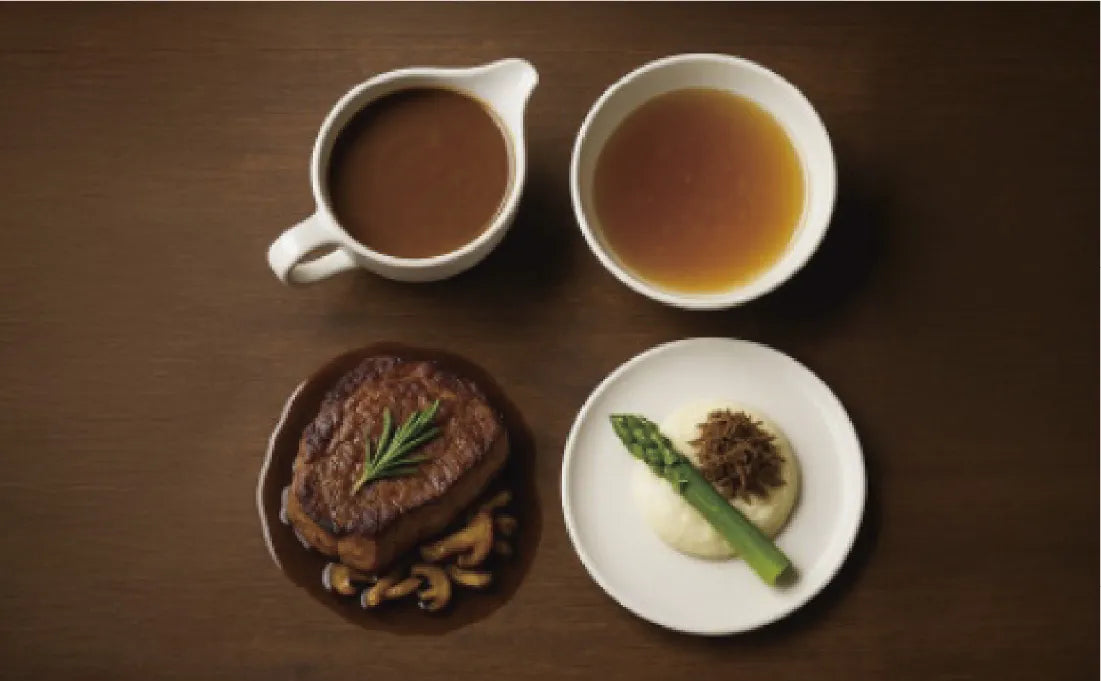
Culinary Base:
Enhancing sauces, broths,
and umami-driven dishes.

KYOKU
Signature Recipes

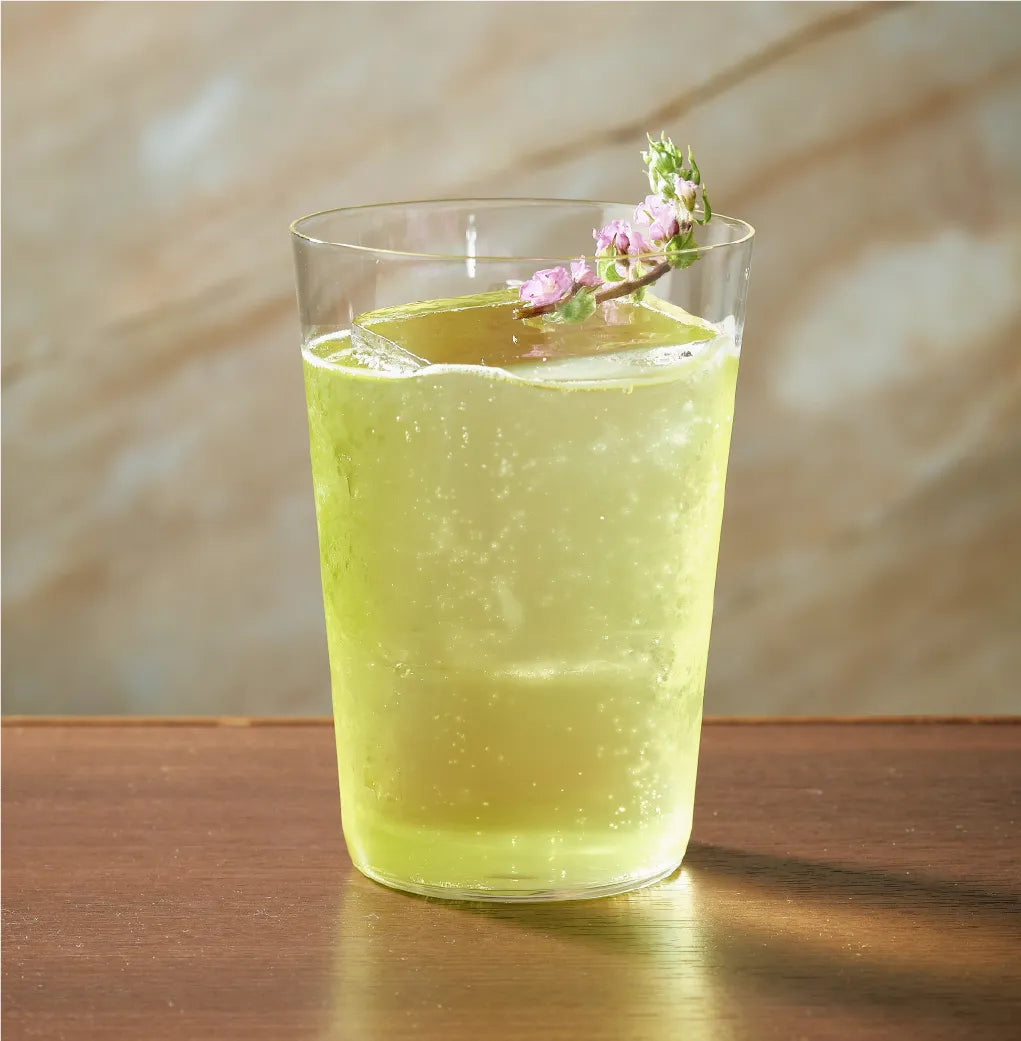
KYOKU Gyokuro Gin & Tonic
A classic cocktail born in the late 19th century, reimagined with the depth and clarity of Gyokuro — the pinnacle of Japanese green tea. The tonic’s gentle bitterness harmonizes with its umami, leaving a clear and lasting finish.
KYOKU Gyokuro – Infused Gin
/ Non-Alcoholic Gin
30 ml
Tonic Water
90 - 120 ml
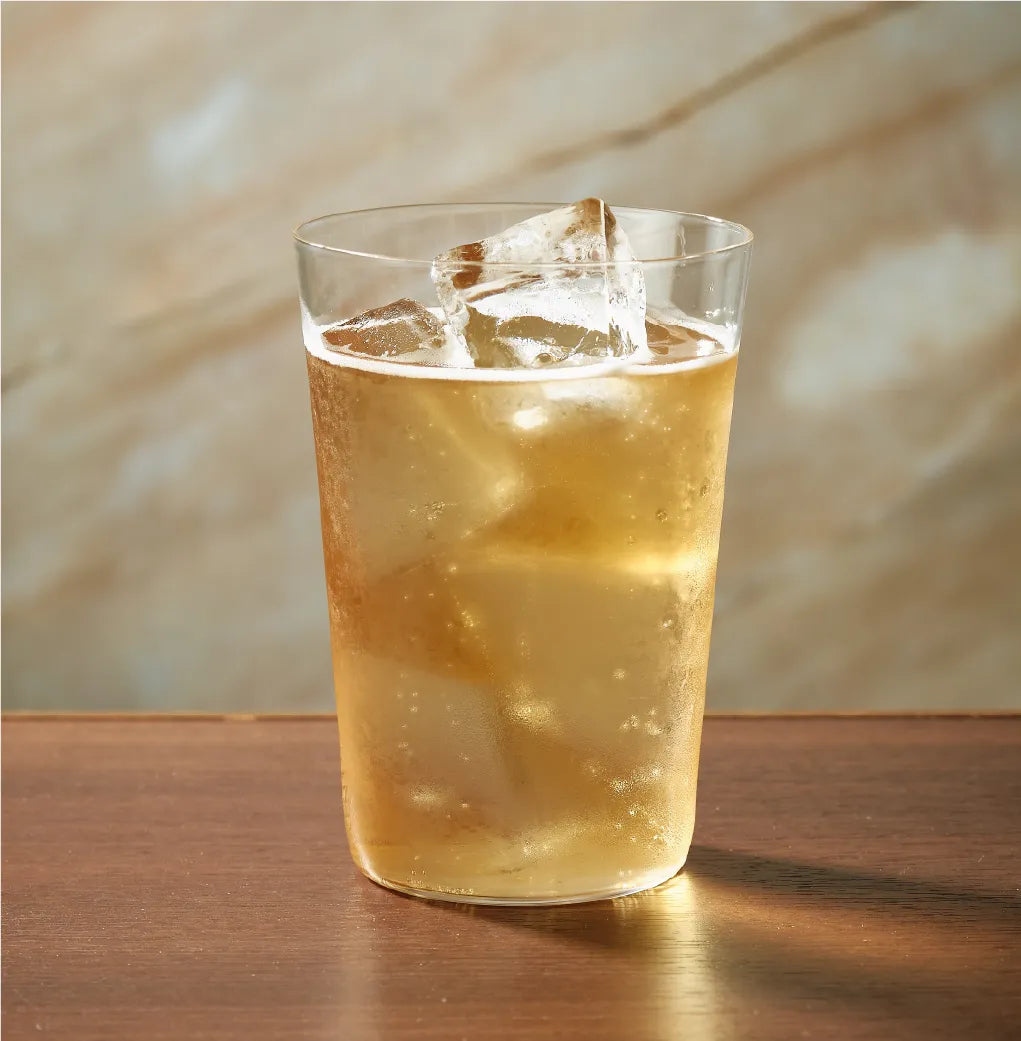
KYOKU Hojicha Gin & Tonic
A gin & tonic reimagined through the roasted depth of Hojicha. Its mellow umami and gentle smokiness rise together, evoking the depth and lingering finish of fine whisky.
KYOKU Hojicha No.1 – Infused Gin
/ Non-Alcoholic Gin
30 ml
Tonic Water
90 - 120 ml
Infusing KYOKU TEA
into Alcohol &
Non-Alcoholic Spirits
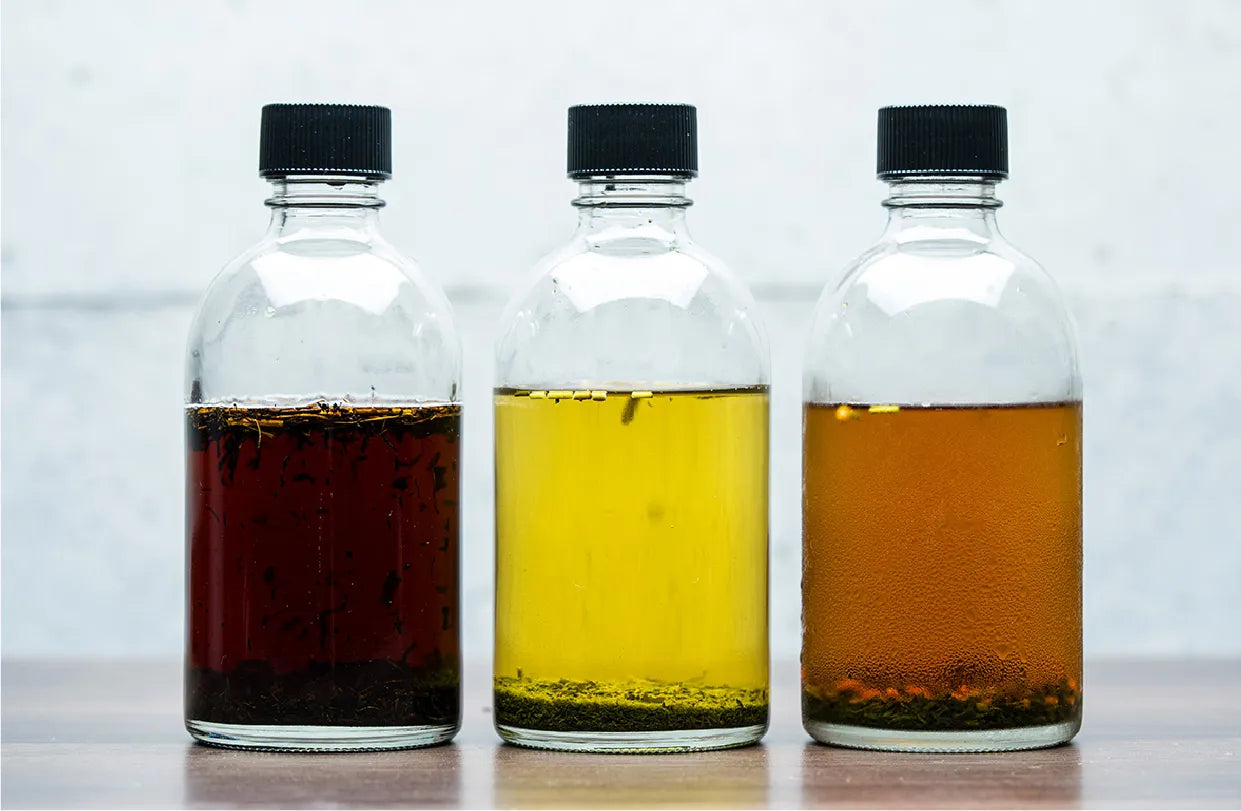
The Aesthetics of Infusion
Just like KYOKU’s straight brew, when tea is gently infused into gin, vodka, rum, or whisky whether alcoholic or non-alcoholic—it reaches its most beautiful balance using only cold or room-temperature water.
No heat. No technique. Only time.
In about 20 minutes, the tea’s aroma, depth, and clarity harmonize in quiet balance,
revealing the serene and profound expression of Japanese tea through every spirit.
Alcoholic Infusion
Spirit
(Vodka, Gin, Whisky, Rum, etc.)
300 ml
KYOKU TEA(Choose Any)
6g
Non-Alcoholic Infusion
Non-Alcoholic Spirit
(Vodka, Gin, Whisky, Rum, etc.)
300 ml
KYOKU TEA(Choose Any)
10g

KYOKU
Creative Recipes

KYOKU
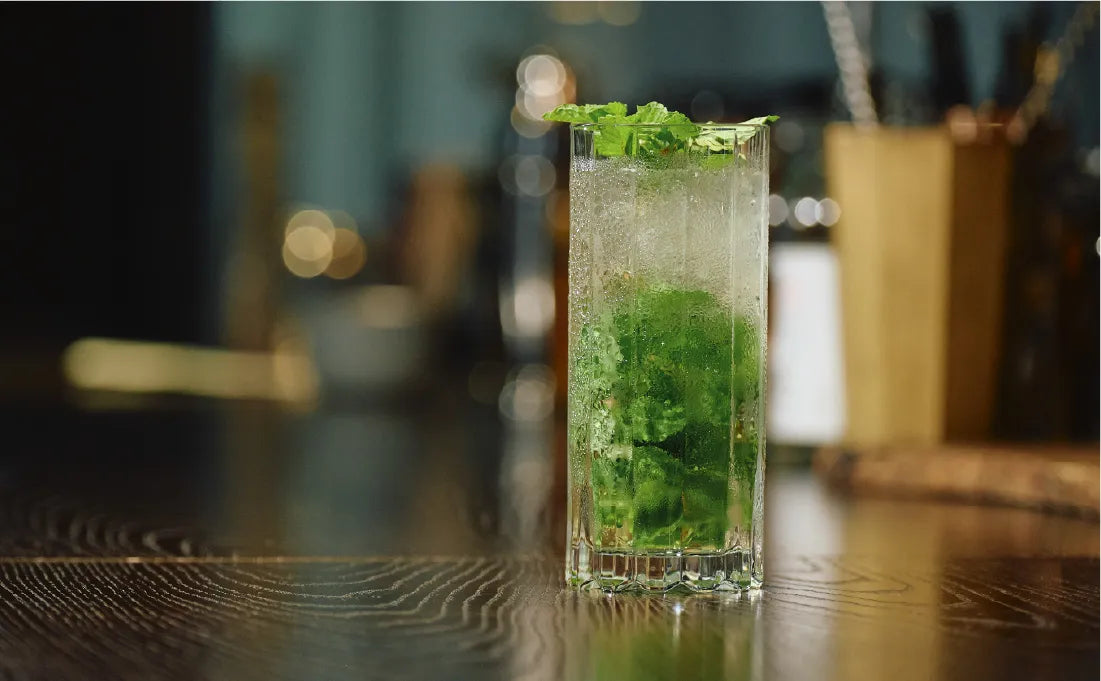
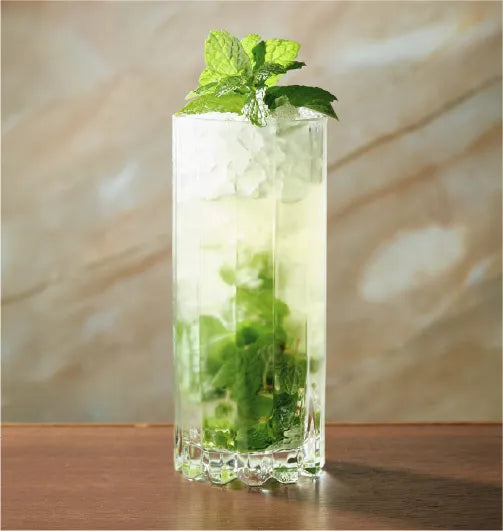
Sencha Southside Fizz
Born in Chicago’s South Side during the Prohibition era of the 1920s.
This classic, scented with refreshing mint and citrus, is reimagined with the clean clarity of Sencha—creating a modern fizz with a lingering green finish.
KYOKU Sencha No.1 / No.2
–Infused Gin / Non-Alcoholic Gin
30ml
Lime
15ml
Sugar Syrup
10ml
Mint
to taste
Soda Water
75ml
KYOKU
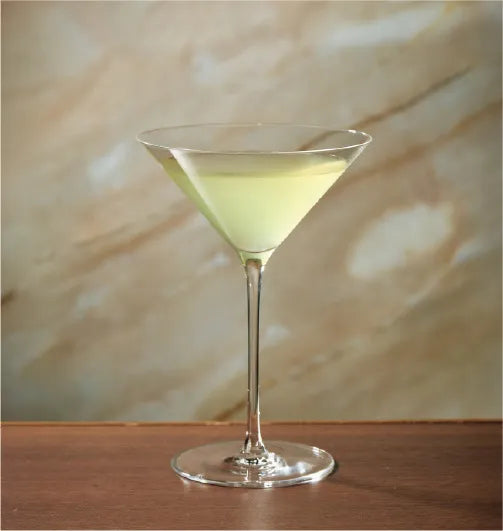
Gyokuro Vodka Martini
A vodka martini established in the early 20th century.
Gyokuro’s deep umami and silky texture meld into the chilled, crisp body of vodka — a serene martini with a long, lingering finish.
KYOKU Gyokuro
3g
Hot Water (40°C)
30ml
Vodka or Non-Alcoholic Vodka
50ml
Vermouth Blanc
or Non-Alcoholic Vermouth Blanc
10ml
KYOKU
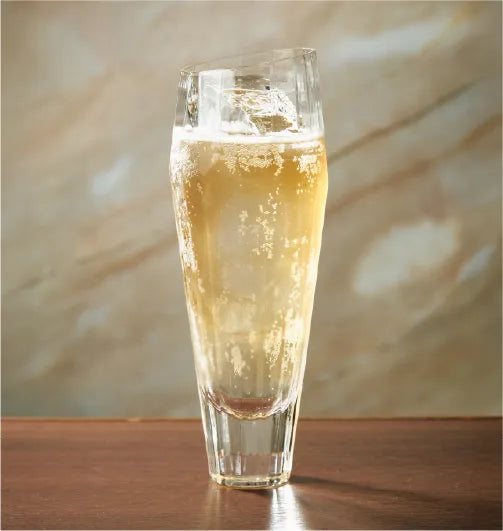
Genmaicha Whisky Highball
A whiskey highball born in Japan in the early Showa period. With the addition of Genmaicha’s roasted aroma and freshness, it becomes a light, new drink that pairs well with meals.
KYOKU Genmaicha
–Infused Whisky /
Non-Alcoholic Whisky
30ml
Lime
15ml
Sugar Syrup
10ml
Mint
to taste
Soda Water
90ml
KYOKU Genmaicha
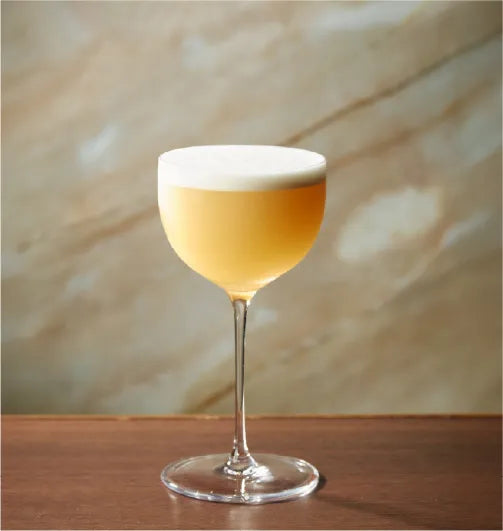
Whiskey Sour
A classic sour loved since the 19th century.
The roasted aroma of Genmaicha is layered over the whiskey’s acidity and richness, creating a drink that highlights the balance of round umami and acid.
KYOKU Genmaicha–Infused Whisky
/ Non-Alcoholic Whisky
45ml
Lemon Juice
15ml
Sugar Syrup
10ml
Egg White
30ml
KYOKU
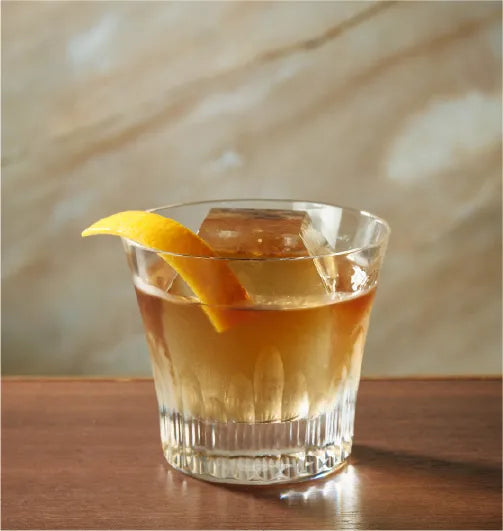
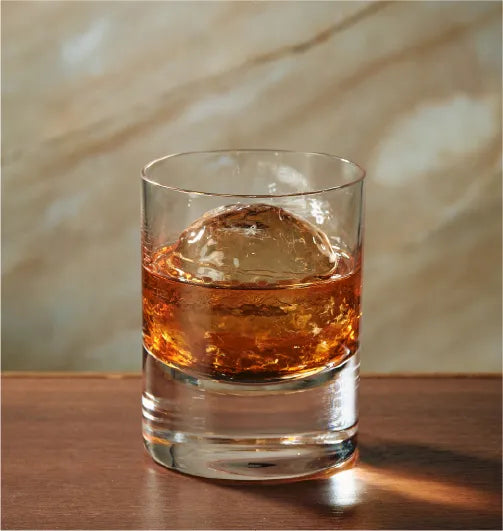
Hojicha Rum Old Fashioned
The closest form to the original definition of “cocktail” from 1806.
The roasted aroma of Hojicha overlaps with the aged aroma of rum, creating a deep and quiet lingering finish — an amber old fashioned.
KYOKU Hojicha No.1–Infused Rum
45ml
Sugar (to taste)
5g
Water or Soda Water
1tsp
KYOKU Hojicha Negroni
A Negroni born in Florence in 1919. The roasted aroma of Hojicha resonates with the bitterness of Campari, bringing a caramelized depth and luster.
Gin or Non-Alcoholic Gin
20ml
KYOKU Hojicha No.1
–Infused Campari
/ Non-Alcoholic Campari
20ml
Sweet Vermouth
/ Non-Alcoholic Sweet Vermouth
20ml
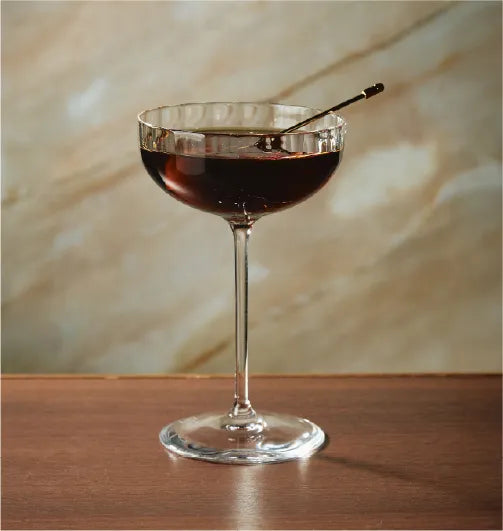
KYOKU Hojicha Manhattan
Born at the Manhattan Club in New York in the late 19th century.
The gentle roasted note of Hojicha envelops the sweetness of sweet vermouth and the strength of rum, creating a drink with composure and elegance.
Gin or Non-Alcoholic Gin
20ml
KYOKU Hojicha No.1–Infused Rum
40ml
Sweet Vermouth
20ml
Griottine Cherry
1piece

Our Story

— Shaping the Future
of Japanese Green Tea

Founder’s Note — Natsuko Waki


I grew up drinking Japanese green tea—more precisely, sencha—and have always loved its pure and refreshing flavor.
(Photo: Me in my early childhood.)
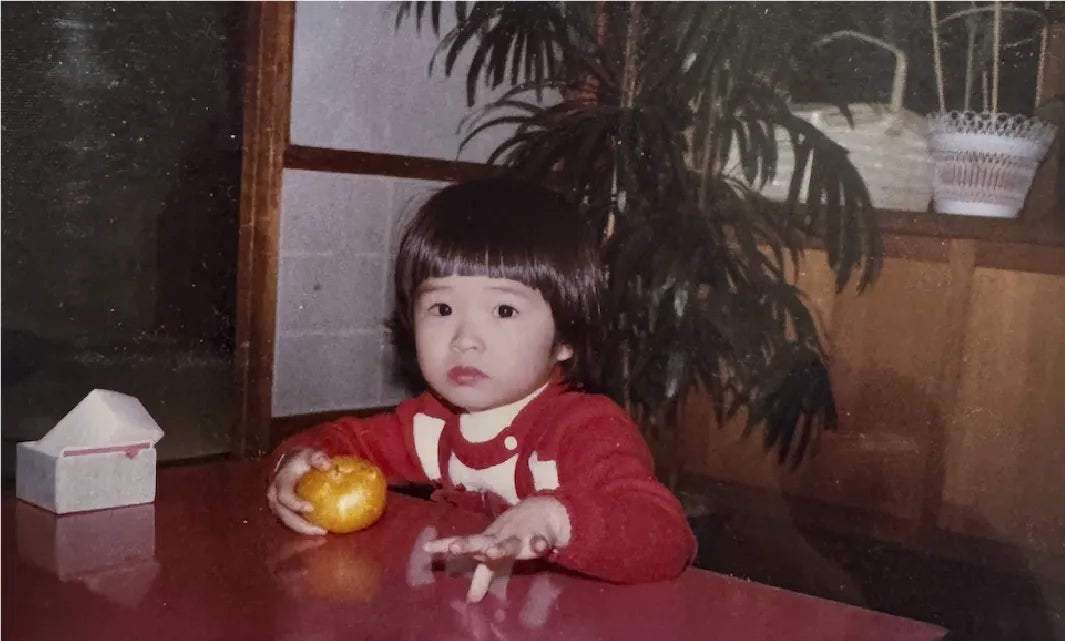
Sencha, nurtured by Japan’s rich mountains and rivers, offers natural sweetness and a lingering finish without milk or sugar, unlike matcha which is often enjoyed with them. Yet sencha requires precise brewing and has remained little known outside Japan. Today, its production is in steady decline and stands on the brink of disappearing.

That is why I felt compelled to act, to share this remarkable flavor with the world. I developed a one-of-a-kind profiling technology: designing the flavor of the brewed liquid first, then roasting and blending the leaves to match. This innovation allows green tea to reach its finest expression in cold or room-temperature brews. Anyone can now serve, without failure, a glass that consistently meets the highest standards of gastronomy. In other words, the peak of flavor can always be reproduced, with a level of refinement worthy of the world’s top kitchens and bars.

I believe this transforms Japanese green tea from a mere beverage into a true foundation of gastronomy.

Unlike black or oolong tea, which can be simply brewed with hot water, green tea’s flavor varies drastically with who brews it, the water temperature, and the extraction time.
KYOKU has eliminated this variability entirely. In doing so, we make it possible for far more people around the world to experience Japanese green tea.

Among all, gyokuro—the pinnacle of sencha—is especially delicate and difficult to brew. One must first cool boiling water to around 60°C, prepare the right utensils, thermometer, and timer. Its dense umami also made it less approachable for everyday enjoyment. We have overcome all of these challenges. Just as the finest Wagyu beef, A5, has spread worldwide, I believe that through KYOKU’s technology, gyokuro—the highest expression of Japanese green tea—can also be embraced globally.
Reasons why
we can achieve

KYOKU was founded in Japan, the birthplace of green tea, by two experts who led tea procurement and product development for top brands like IYEMON, a leading Japanese green tea brand.

We have spent decades working directly with Japan’s tea origins, building unmatched knowledge and experience.

This background enables KYOKU not only to honor tradition but to innovate scientifically—bringing a new expression of Japanese tea to the world.

Our Founder

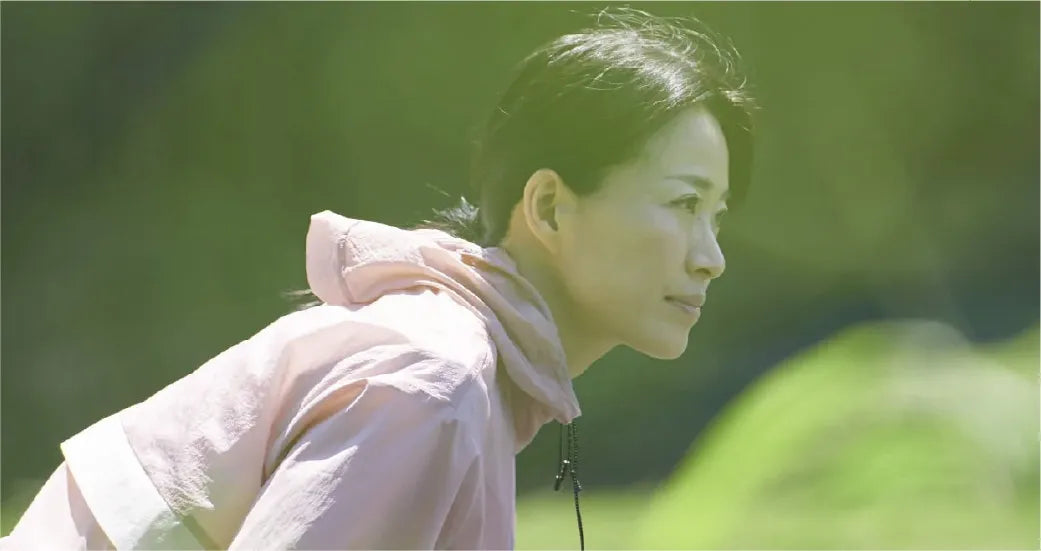
Natsuko spent years at the Suntory Group developing bottled green tea.

Natsuko WakiCEO
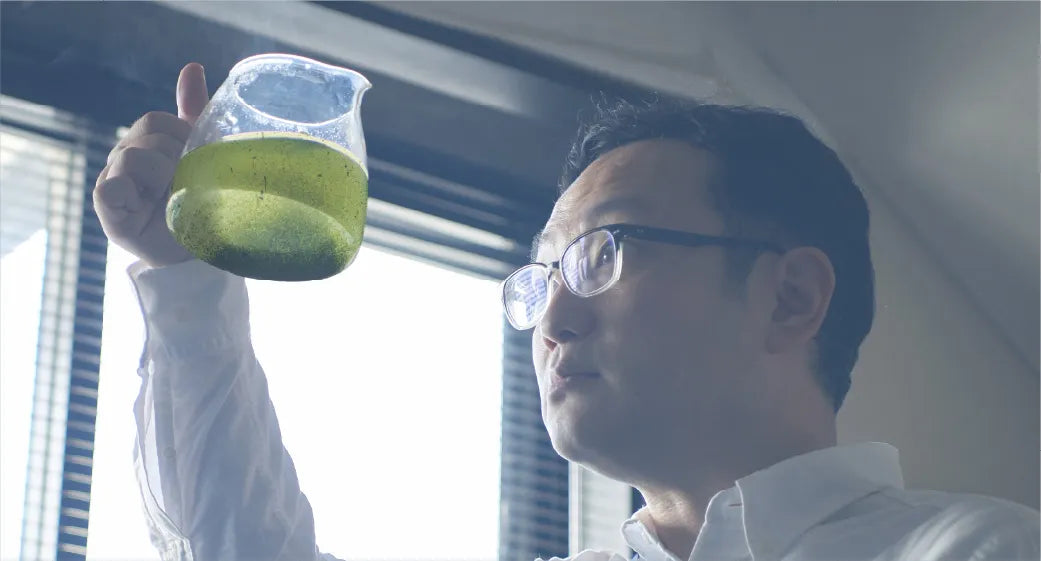
With over 20 years of experience in raw tea leaf design for bottled green tea, we pioneered an approach built not from the leaf, but from the liquid backwards. By profiling and separately roasting each part of the leaf—stem, bud, and blade—then blending with precision, we created a technique unlike any other. This innovation is now the subject of an international patent application.

Masahito NagaiTea Leaf Designer
We have spent decades working directly with Japan’s tea origins, building unmatched knowledge and experience.This background enables KYOKU not only to honor tradition but to innovate scientifically—bringing a new expression of Japanese tea to the world.
Natsuko WakiCEO
Masahito NagaiTea Leaf Designer

Engineered Ingredients, Not Just StoriesTea leaves as precise components of our flavor design.

--Tea leaves as precise components of our flavor design.--

Tea leaves are the precise elements that underpin our flavor architecture.
Tea leaves are the precise elements
that underpin our flavor architecture.
KYOKU selects tea leaves through flavor
design, not by origin or grade.

Each component is chosen for how
beautifully it performs as a brewed liquid
--using only ichibancha, the first harvest, for its unrivaled richness in flavor compounds.

The roasting profile of each part—blade, bud,
and stem—is precisely controlled to
reconstruct the intended flavor architecture.

These elements are then blended with
precision to achieve the desired balance and depth.

Every decision is engineered backward from
the extraction itself.

By analyzing the solubility characteristics of theanine, caffeine, and catechins, KYOKU determines the optimal selection and roast to express the finest balance in cold or room-temperature brewing.

Contact